


A revolution of contagious love
disguised as a somatic Bible study.
How to read the Bible with your body
A live online group practice for meeting your gut reactions to Christian scripture with curiosity and compassion so that you can read — and live — more freely.
Go from flinching and fear to relaxed encounter, and come out with a practice you can do on your own with any text.
Maybe the Bible matters to you, but reading it has gotten…complicated.
You know how lots of people struggle with reading the Bible because it makes them feel angry, scared, hopeless or ashamed?
Maybe they hid their questions about Christianity so as not to risk losing their belonging.
Or maybe they’re afraid that questioning the text means they’re questioning God.
Maybe they’re enraged by the way they’ve heard scripture quoted to justify the violence of racism, antisemitism, sexism, or anti-LGBTQ+ legalism.
Maybe they grew up in a high-control church where the Bible was (mis)used to berate and belittle them until even hearing the word “Jesus” makes them jumpy.
Or maybe they just have niggling curiosities about the text and hate being told what to think.
I believe you shouldn’t have to sacrifice yourself to study scripture.
I help people study sacred texts without kicking those complicated feelings to the curb.
How to Read the Bible With Your Body is a gentle weekly practice space where you can listen to both scripture and yourself at the same time.
As you grow more comfortable with complexity and gain experience that it’s socially safe to acknowledge your doubts & concerns, it makes space for a dramatic increase in your daily comfort and a drop in your fear of the Bible, as well as developing more confidence, patience, and inner sturdiness with continued practice.
For example…
One of the first people I shared this process with (a queer spiritual director living in the American South) told me, “My very first thought was that I desperately need this. My second thought was that this feels like the third rail for me.” They felt trapped between two terrible options: either believe the Bible and distrust their own deep feeling of wrongness, or trust their gut and kick the Bible to the curb. They didn’t want to choose either option, but living in the tension between was exhausting. Hours of therapy, conventional Bible study, and even a seminary degree hadn’t helped their body relax around the Bible.
That’s where I can help.
Through a unique blend of Lectio Divina, somatic meditation, and IFS-style parts witnessing, I help you to listen inside to the parts of yourself who have concerns, objections, or other big feelings about a passage of scripture. As you listen deeply to both sides of your “inner argument,” you may experience a softening of the tension. But even if the conflict itself doesn’t ease, you’ll build greater self trust and a sturdier sense of worth through the regular practice of showing up and welcoming your feelings — magnified by the re-socializing experience of doing that work alongside a small group of friendly & empathic others.
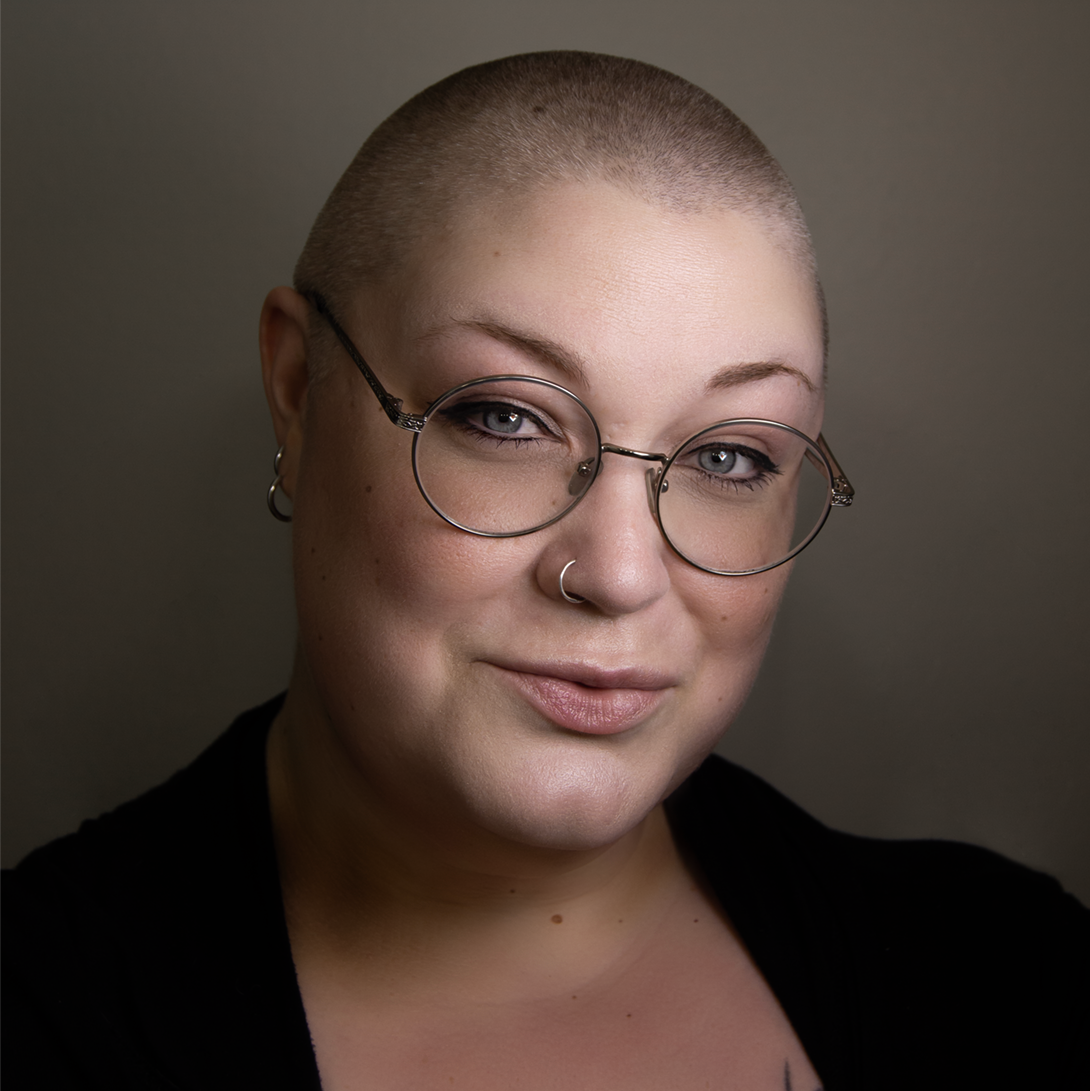

Hi, I’m January Jaxon.
I’m a certified Wayfinder coach and co-host of the podcast Theology Kills.
I’m also an extremely unlikely Christian.
I didn’t grow up with the message that questions should be kept quiet or that my queer body didn’t belong in church. Before my conversion in early 2020, I was a goth-industrial nightclub DJ immersed in a vibrant community of neopagan spirituality, LGBTQ+ advocacy, and sex-positive kink culture. Needless to say, I came to Christianity as an outsider the Pharisees would have despised.
But to my surprise, following Jesus didn’t ask me to leave all those other parts of me at the door. Instead it invited me — all of me — into the service of life, love, and collective liberation.
Way too many people never get to experience that freedom.
I want to do something about that.
If you’ve secretly worried that you’ll never be able to read the Bible again without feeling that sick-to-the-stomach fear, that spike of rage, that cringe of shame, this practice can change the experience by making those reactions a meaningful part of your spiritual practice.
Even if you’ve been to a hundred Bible studies, this cohort can help you listen to the Bible AND to yourself at the same time. I’m not handing you a “right” interpretation of the text. I’m helping you get curious and stay engaged so that meaning can emerge in its own time.
You deserve to read Scripture without suppressing yourself — even if you never want to call yourself Christian again.
This might be for you if…
You’re curious about what the Bible says — even if your relationship with church is complicated.
You care deeply about how Christianity affects vulnerable people.
You’ve encountered biblical interpretations that your conscience struggles to reconcile with a loving God.
You’re reasonably comfortable with introspection, emotional awareness, contemplative practice, or simply noticing what happens inside you.
You’re curious enough to approach Scripture without needing to know in advance where the encounter will lead.
This probably isn’t for you if…
You want to know what the “right” interpretation is.
Meditation makes you wildly uncomfortable.
You’re looking for trauma processing or group therapy.
You need significant individual support in order to safely encounter emotionally activating material.
This practice may complement therapy, spiritual direction, pastoral care, or other forms of support, but it can’t replace them. You deserve the right container and accompaniment for your needs.
This first gathering is intentionally small. I’m inviting a handful of participants into a four-week founding practice group to test something I believe deeply:
When people are given permission to bring their whole experience into the room with scripture, their relationship with the Word and with themselves can begin to change.
What we’re aiming for
My hope is not that difficult passages stop feeling difficult.
My hope is that you begin developing enough trust in yourself and your reactions that fear no longer prevents you from staying present during difficulty.
By the end of four weeks, you may notice that you can:
question an interpretation without immediately panicking that you’re questioning God;
begin to notice fear, anger, grief, disgust, confusion, or resistance without having to suppress or resolve it;
remain curious when you don’t yet know what a passage means;
listen compassionately to the parts of you that have learned the Bible can be dangerous;
make room for meaning to emerge rather than forcing yourself toward a “right” answer.
What we’ll do
Each 90-minute gathering will follow a simple, repeatable contemplative practice.
First, a short settling-in.
We take some time to create an intentional container, bring attention to our bodies, and notice what’s already present.
Then we’ll encounter a brief passage of scripture.
I’ll read a passage aloud several times, slowly. Each reading will invite a different kind of attention: noticing reactions and stories, listening compassionately to protective parts, making room for conflicting responses, and practicing presence without rushing to immediate resolution.
After each reading, I’ll give some prompts to invite you to share briefly in the chat about what you’re noticing. This gives everyone a chance to see the wide variety of interpretations that can come from any one line of scripture. By recognizing the variety, we provide our fearful parts with experiential evidence that the scariest interpretation isn’t the only “right” or “obvious” one.
Sharing is always 100% optional and never a condition of participation.
Finally, we’ll make room for gratitude.
To close out our time together, we’ll reflect on what the practice brought up for us. We’ll choose one thing we want to take forward with us into the week ahead, and one thing we want to leave behind. We’ll thank our parts for sharing with us and reassure them we’ll be back to listen again. And we’ll conclude with a brief somatic settling so that you leave centered, connected, and sturdy.
Ground rules
-
Sharing will happen in the chat only and will always be 100% optional. I’m aiming for the delicate balance between enough sharing that it’s still a social experience, and enough privacy that you don’t leave feeling exposed.
-
You are not coming here to perform vulnerability.
You are coming here to practice paying attention to your felt sense of truth.
-
Noo fixing, “saving,” setting other people straight, interpretation-policing, intellectual debate, or pressure to disclose.
-
This practice is designed to give your parts a chance to be listened to by YOU, not by me or by the group.
My role is to provide the container, facilitate the interaction, and give you the resources you need to be able to do that.
The group’s role is to be alongside you as you practice, so that you get a lived experience that you aren’t alone.
You are the ultimate authority on what you need, and you have the right (and the responsibility) to care for yourself in whatever way feels best to you.